





Overview

Parallel Processing - No Compromises on Tissue Quality

Give every tissue type and size the treatment it deserves. Establish a workflow that meets the demands of your laboratory without compromises on tissue quality. The HistoCore PEGASUS tissue processor enables you to run multiple protocols in parallel on a single instrument, ensuring optimal conditions for all tissue types without slowing down your laboratory.

Combined with the ability to capture each cassette individually, including cassette ID, quantity, and color, as well as basket ID, user ID and reagent information, the HistoCore PEGASUS offers you a fully integrated solution.

Contact Us to get a quote. Call +1 312 565 6737 to speak with a representative.

For In Vitro Diagnostic Use


Product Features

Don’t Compromise On Tissue Quality

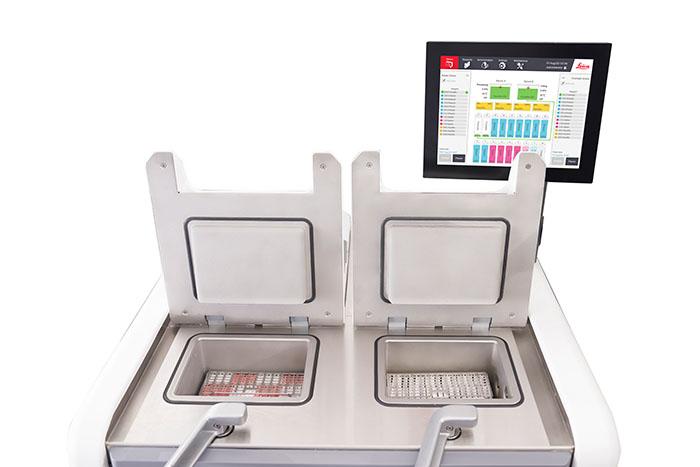
Biopsies, large, or fatty specimens; different tissues need different treatments. The HistoCore PEGASUS tissue processor gives you the flexibility to run parallel protocols on a single instrument. Process up to 400 samples simultaneously, increasing your capacity by 33% per run compared to a typical 300 cassettes single-retort tissue processor.
Image
Pegasus dual

TRACK. TRACE. CAPTURE. 100% of your cassettes.

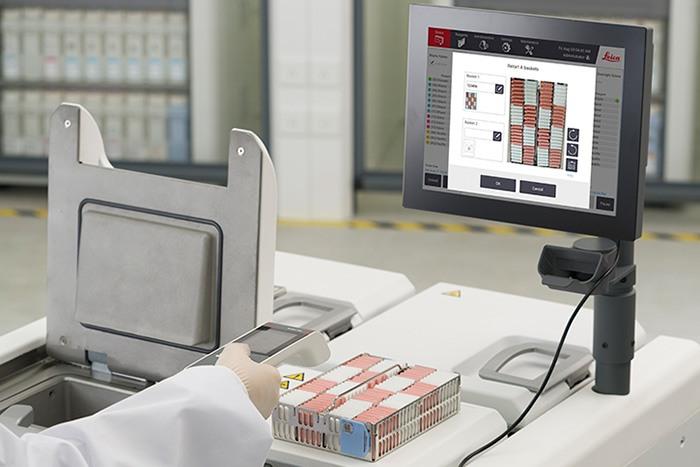
Capture and record critical data with built-in track & trace features. The integrated iScan technology tracks basket ID, user ID, and reagent information. An optical scanner captures cassette ID, quantity and color, enabling you to trace each sample in the tissue processing workflow. Easy access to the recorded data gives you control over your tissue processing reports while minimizing manual documentation, maximizing confidence.

Image
HistoCore_PEGASUS_iScan

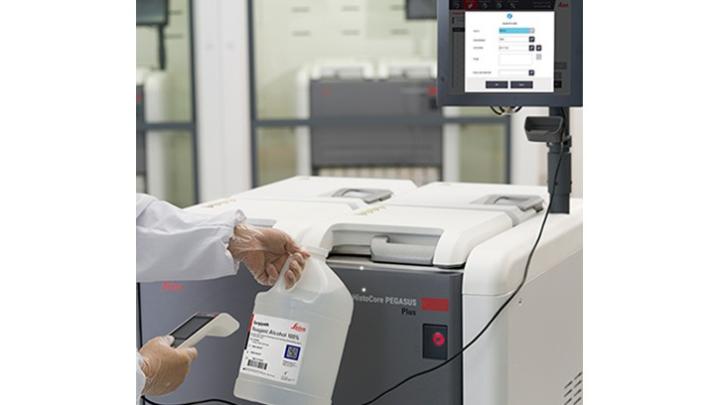
Reagent Management Made Easy

Bar-coded reagents automatically create reagent exchange reports on the tissue processor, recording the lot of number, reagent type and concentration of Leica reagents.

Image
HistoCore_PEGASUS_reagent_management1

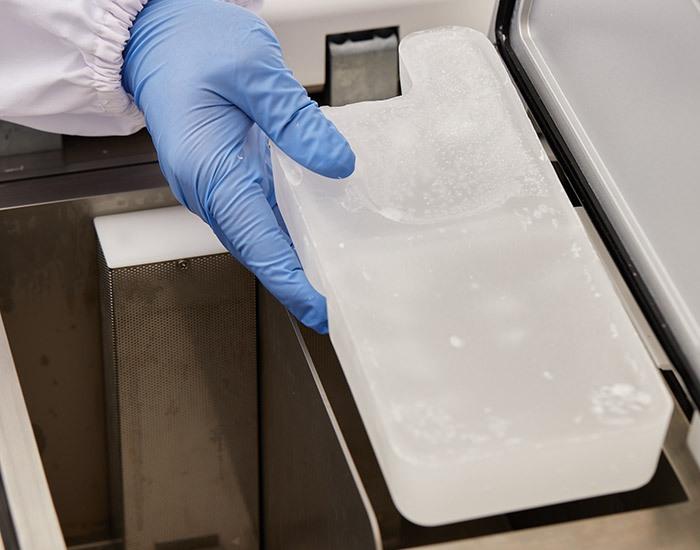
Optimize Your Workflow with Leica Paraffin

Use Leica Paraffin with your HistoCore Pegasus tissue processor to further improve your workflow. PEGASUS Parablock paraffin melts 22% faster than pellets. Additionally, you get:

  • No Spills – solid blocks prevent spills from messy pellets
  • Easy Loading – Pegasus Parablocks X-tra™ create a smart safe and easy-to-handle paraffin-related workflow
  • Walk Away – load 4-blocks into Pegasus chambers and walk away. No need to top off paraffin.
Image
Pegasus Parablocks

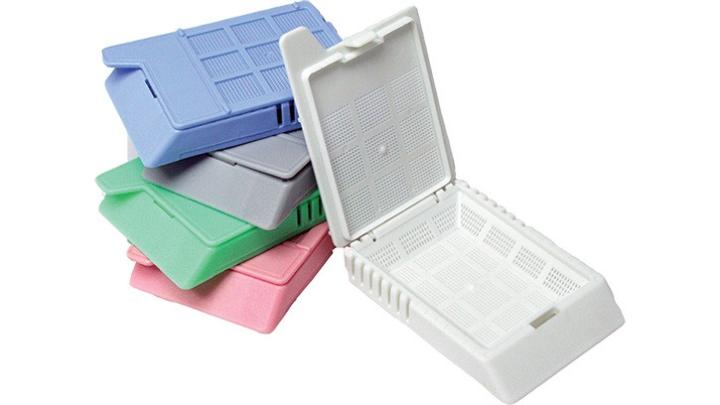
Maximize Your Processing with ActivFlo Cassettes

  • Efficient Reagent Flow - Leica developed “Fluidic Flow” lateral vent and pore design maximizes reagent exchange
  • System Performance - ActivFlo Routine, Biopsy and Mini Biopsy cassettes are validated on Leica tissue processors
  • Easy Snap - Frangible hinge for lid removal
  • Effortless Loading - Stacked and taped configuration allows for quick and easy printer set up
  • Available in 11 colors
Image
pegasus activflo

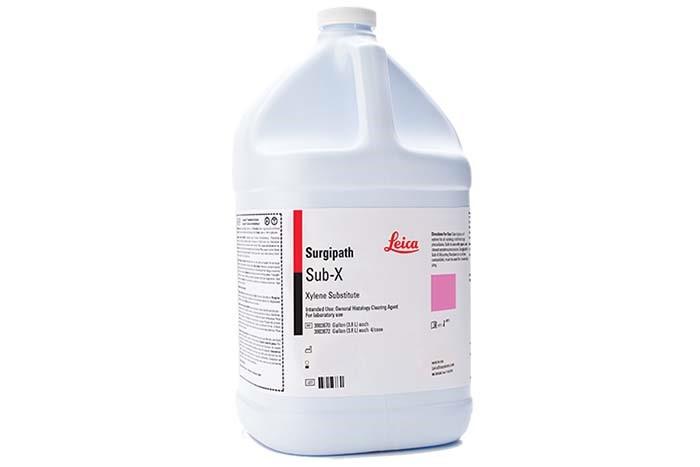
Preferred tissue processing reagents

Our preferred tissue processing reagents will help you take the tissue through your preanalytical workflow stages.
Broad product offering: Alcohols, Solvents, and Fixatives available in multiple packaging options
Reduce Errors: Color-coded labeling simplifies visualization of reagents and reduces reagent mix-ups Track & Trace capability: Bar-coded reagents help record the lot of number, reagent type, concentration, and create reagent exchange reports
Greener alternatives: Process Tissue with Safer Reagents alternatives by substituting xylene with Sub-X or Clearene. Or switch to xylene-free processing with isopropanol (IPA).

Image
pegasus ragent1

Downloads

View all available downloads below

Knowledge Hub

processing-fatty-specimens-640x480
Processing Fatty Specimens

One of the most critical steps in histology is fixation, especially when it comes to fatty tissue.

the-cost-of-reprocessing-640x480
The Cost of Reprocessing

One of the most fundamentally critical elements of diagnostic histopathology is first the ability to suspend all cellular activity in tissue and prevent degradation, and secondly to process that specimen in a manner that facilitates subsequent steps such as...

why-are-automation-innovation-critical-to-the-histology-lab-640x480
Why are Automation & Innovation Critical to the Histology Lab?

There has always been pressure on the Histology Lab to do more with less money, less people and less time. Automation in Histology has somewhat stalled over the past few years and is difficult to implement. Automation is only a multidisciplinary process to...